Kashmiri Singers in Bollywood
There is no doubt that one of the main characteristics of Indian film industry lies in its diversity of regional influences. In this regard, it is impossible not to mention the musical richness of Kashmir valley; some talented Kashmiri singers have contributed their unique vocal performance and poetic talent to the development of mainstream cinema.
These singers have migrated from their native landscapes of Kashmir to the studios of Mumbai, where they turned local folk melodies and Sufi phrasing into popular songs. The paths of these artists demonstrate how the regional talent can enrich the soundtracks of Bollywood movies.

Kashmiri Singers
Distinctive vocal techniques—from microtonal ornaments to folk inflections—define these performers. By blending Kashmiri folk music roots with modern production, these singers and musicians have left an enduring mark on Bollywood songs, albums, and the wider pop landscape.
Key Takeaways
- The Kashmir valley’s musical heritage supplies rich motifs that composers mine for film songs.
- Kashmiri artists have transitioned successfully into Bollywood, influencing mainstream pop and playback singing.
- Unique vocal styles and poetic phrasing add emotional depth to cinematic compositions.
- Fusion of traditional instruments and modern arrangements is a continuing trend in contemporary Indian music.
- Explore these singers’ songs and albums to hear how regional life and language enrich popular soundtracks.
The Musical Heritage of Kashmir in Bollywood
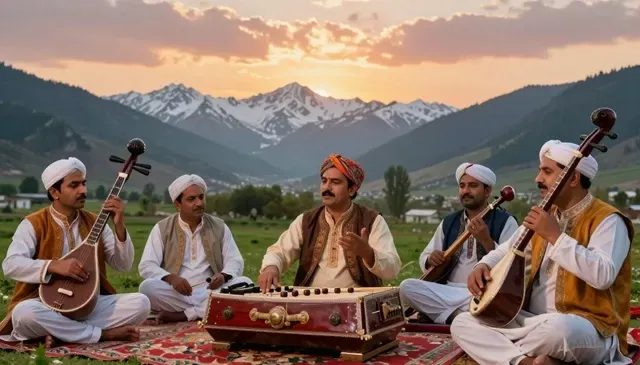
Beyond the snow capped peaks, Kashmir offers a rich musical legacy that has quietly shaped the textures of Bollywood music. For decades the valley has nurtured singers, poets, and musicians who blend classical, folk, and Sufi traditions — a body of work composers mine when they need authentic regional color for film songs.
Kashmiri musical heritage
When these melodies enter the studio, they add a distinctive emotional layer to Indian film music — from plaintive ghazals to upbeat folk-infused pop. Composers often draw on Kashmiri Sufi poetry and rhythmic folk patterns to create songs that feel both timeless and immediate, helping mainstream audiences connect with a regional language and life through music.
“Music is the language of the soul, and the melodies of the valley speak a dialect that transcends borders and touches the heart of every listener.”
Recognizing these roots lets us appreciate how Kashmiri artists preserve cultural identity while influencing modern production—introducing instruments, vocal ornamentation, and poetic imagery that enrich Bollywood’s sonic palette. As this exchange continues, the valley’s influence remains a vital thread in the evolving story of Indian film music.
Defining the Top 5 Kashmiri Singers in Bollywood
Choosing the most influential Kashmiri singers in the field of Bollywood requires us to consider more than just celebrity status; the impact made by a Kashmiri artist includes such things as the technical talents he/she may have, the influence they exercise, and the longevity of their contribution.
In our assessment of Indian playback singers, we place great emphasis on their ability to combine elements of their traditional Kashmiri or Sufi background with pop or cinematic music. The most influential Kashmiri musicians
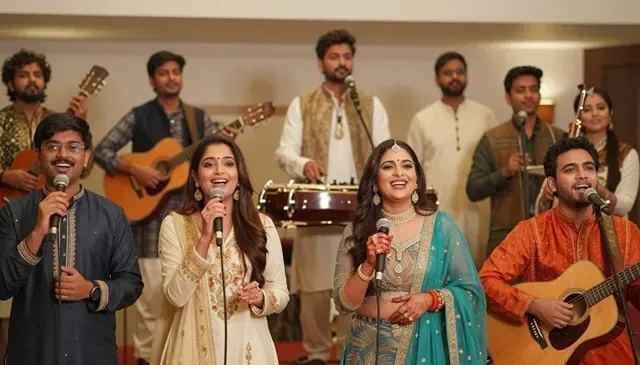
Kashmiri singers in Bollywood
Career longevity and consistent excellence over the years are key metrics: artists who continue to deliver memorable songs across decades, collaborate with top composers, and influence younger musicians qualify as legends rather than one-hit wonders. Keep these criteria in mind as we present the Top 5 names who best represent Kashmir’s voice in modern Bollywood.
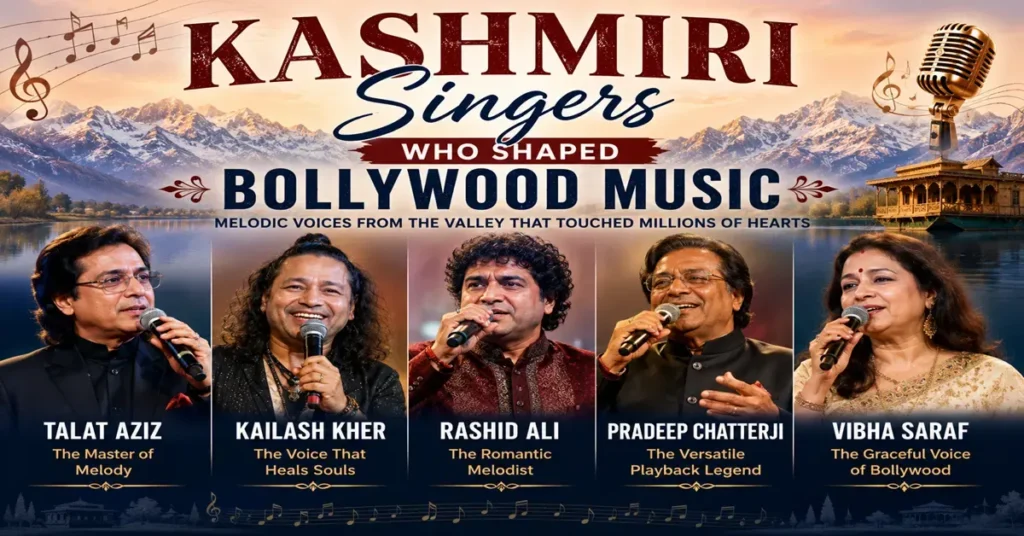
1. Talat Aziz: The Voice of Ghazals
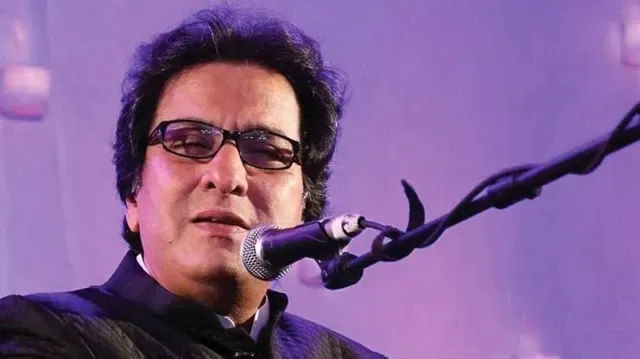
The world of ghazals found a resonant, modern interpreter in Talat Aziz, an artist with family roots tied to Kashmir. Celebrated for his refined phrasing and emotional control, Talat brought poetic sensitivity and a classical touch to the Bollywood industry, helping popularize ghazal techniques within mainstream film songs.
Early Life and Kashmiri Roots
Raised in a household that valued poetry and classical music, Talat Aziz developed his craft from an early age. His Kashmiri background shaped his musical sensibility—informing the lyricism and delicate ornamentation that characterize his performances and link his work to regional poetic traditions.
Rise to Stardom in Bollywood
Talat’s entry into Bollywood playback came as composers and filmmakers sought voices that could carry subtle emotion and classical nuance. By blending traditional ghazal techniques with contemporary arrangements, he carved a distinct niche and became a go-to vocalist for songs that demanded both technical precision and heartfelt delivery.
Signature Hits and Legacy
Across a career spanning many years, Talat Aziz recorded songs and albums that continue to influence younger singers and musicians. His signature tracks remain reference points for emotional depth and control, and his contribution is an enduring part of the region’s broader musical legacy within Indian film music.
2. Kailash Kher: Soulful Sufi Rhythms
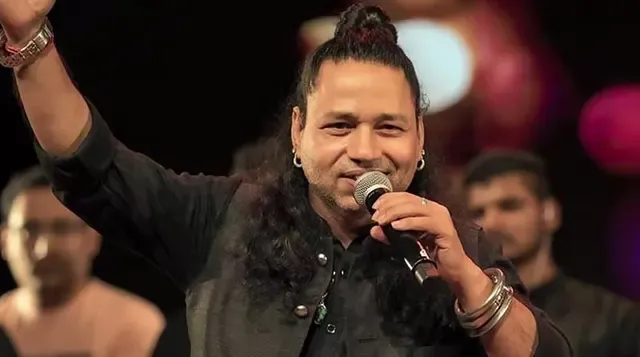
Few voices in Indian music combine raw spiritual depth with mainstream appeal like Kailash Kher’s. His work channels Sufi and folk sensibilities into contemporary film and pop arrangements, creating songs that resonate across audiences and often serve as emotional anchors in Bollywood soundtracks.
The Journey from Roots to Stardom
Kher’s rise was built on years of live performance and persistence rather than an instant break. Drawing on the musical heritage of his upbringing, he refined a distinctive vocal identity that caught the attention of Mumbai producers and composers — a trajectory that illustrates how regional talent can influence mainstream music.
Rather than relying solely on formal training, he foregrounded the raw passion of folk singing and Sufi expression. That authenticity helped him cut through a crowded field and become a recognizable name in both film and independent music circles.
Unique Vocal Style and Sufi Influence
The vocal technique of Kailash Kher is known for its earthy quality, expressive inflection, and ornamentation that is characteristic of Sufi and folk music. This combination allows him to express spiritual yearning and rustic warmth in equal measure, making his performances unique both in the ghazals and high-voltage songs in films.
This combination of tradition and contemporary phrasing has inspired many upcoming singers who aspire to bring their own devotional texture to pop songs.
Iconic Bollywood Contributions
Throughout his career, Kher has composed some songs that have become very popular and have influenced many others, both in films as well as standalone music. Some of the genres he has dabbled in are anthemic, devotional, and romantic among others. The following table provides a few such contributions from him:
| Song Title | Film | Musical Style |
| Allah Ke Bande | Waisa Bhi Hota Hai Part II | Sufi Rock |
| Teri Deewani | Kailasa (Album) | Folk Fusion |
| Ya Rabba | Salaam-E-Ishq | Soulful Ballad |
| Arziyan | Delhi-6 | Devotional Sufi |
3. Rashid Ali: The Modern Melodist

Rashid Ali injects contemporary energy into film music, pairing emotive phrasing with a modern sensibility that appeals to both domestic and global listeners. His work demonstrates how a singer can honor traditional roots while helping popular songs and albums feel current and relatable.
Breakthrough with A.R. Rahman
Ali’s profile rose significantly through collaborations with A.R. Rahman, projects that put his voice on major film soundtracks and streaming playlists. Those collaborations gave him wide exposure and helped him refine the nuanced control and stylistic flexibility that composers seek for important songs.
Musical Versatility and Range
Versatility is a defining strength for Rashid Ali: he switches effortlessly from soft acoustic ballads to dynamic, rhythm-driven tracks. That range makes him a dependable choice for composers who need a singer capable of delivering emotional weight and technical precision across genres.
Impact on Contemporary Film Music
Rashid Ali’s recordings have influenced contemporary Bollywood by demonstrating how melodic sensitivity and modern production can coexist. As a musician who understands both classical subtleties and pop phrasing, he continues to shape the sound of current playback singing and inspires younger singers to expand their own musical vocabulary.
4. Pradeep Chatterji: Versatility in Playback
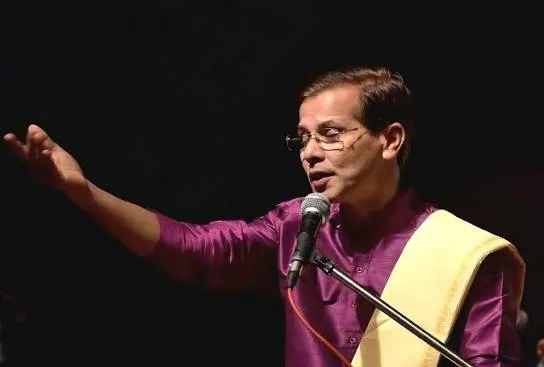
The texture of Bollywood music has been broadened by singers who can move across styles with ease, and Pradeep Chatterji is a prime example. As a respected Indian playback singer, he combines technical control with emotional delivery, making his voice a reliable choice for composers searching for both nuance and mass appeal.
Establishing a Niche in the Industry
Chatterji has built a clear niche through consistent musical versatility. Whether the demand is for an upbeat dance number or a tender ballad, he tailors his vocal color and phrasing to the song’s mood. That adaptability, paired with studio professionalism, helps him remain in steady demand across film genres and pop albums.
His approach emphasizes vocal dynamics and narrative phrasing, which lets listeners connect with the emotional heart of a composition. This skillset distinguishes him from peers who may excel technically but lack the same storytelling instincts.
Collaborations with Legendary Composers
A defining aspect of his career is high-profile work with leading composers, including notable A.R. Rahman collaborations. Those partnerships pushed him into experimental arrangements and helped showcase his capacity to handle complex, layered productions.
Outside of Rahman projects, Chatterji has lent his voice to a range of music directors, proving reliable in both traditional and contemporary settings. Directors and producers repeatedly choose him when a track requires both precision and heartfelt delivery.
Enduring Popularity of His Tracks
Listeners continue to return to his recordings because of their lasting emotional impact. Many of his songs find a second life on playlists and streaming platforms, a sign that genuine craft endures beyond initial release cycles. The table below summarizes the attributes that underpin his sustained appeal.
| Attribute | Impact on Career | Audience Reception |
| Vocal Range | High Adaptability | Very Positive |
| Genre Flexibility | Broad Appeal | High Engagement |
| Technical Precision | Industry Respect | Critical Acclaim |
| Emotional Depth | Lasting Connection | Strong Loyalty |
5. Vibha Saraf: The Contemporary Kashmiri Voice
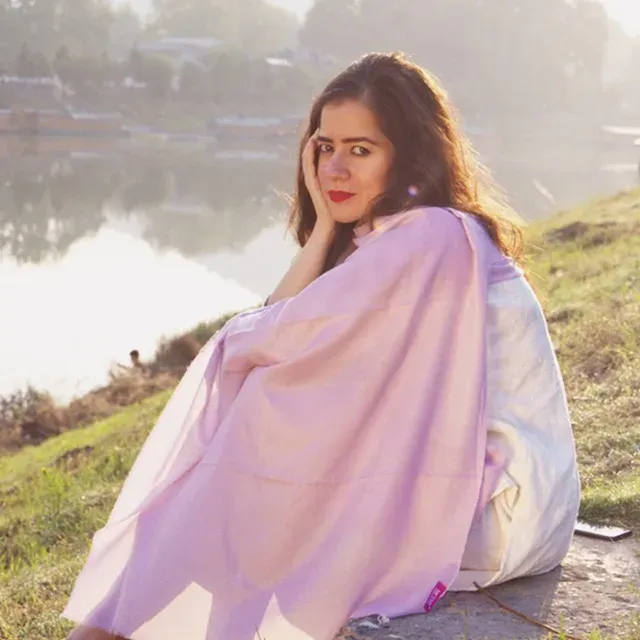
Bringing the soul of the mountains into mainstream playlists, Vibha Saraf is one of the most visible contemporary artists drawing from Kashmiri folk and Sufi idioms. She’s helped redefine what a regional musician can achieve in contemporary Bollywood, proving that authentic, localized sound can find wide audience appeal.
Bringing Kashmiri Folk to the Mainstream
Saraf has actively pushed Kashmiri folk music into national consciousness by weaving traditional melodies, vocal ornamentation, and regional phrasing into film and independent tracks. Her work preserves the valley’s cultural storytelling while repackaging it so that listeners unfamiliar with the language or niche traditions can still feel the emotional core.
Notable Bollywood Projects
Her contributions to Bollywood playback include memorable soundtrack moments where her voice added texture and authenticity—most notably on the film Raazi, where her vocals amplified the soundtrack’s haunting, intimate tone. Such projects highlight how a regional singer can elevate a film’s emotional narrative while reaching mainstream pop and album listeners.
Bridging Traditional and Modern Sounds
The strength of Vibha Saraf’s approach is fusion done thoughtfully: she combines acoustic regional instrumentation and folk phrasing with modern production and subtle digital synthesis. The result is songs that feel both rooted in tradition and fresh within the pop landscape—appealing to fans of folk, pop, and film music alike.
| Musical Element | Traditional Approach | Modern Integration |
| Vocal Style | Folk-inspired nuances and Kashmiri inflections | Contemporary pop phrasing and clear diction |
| Instrumentation | Regional acoustic tools (rabab, santoor) | Textured digital production and light synths |
| Lyrical Theme | Cultural storytelling and regional poetry | Universal human emotions for broad appeal |
Vibha Saraf continues to push boundaries—her songs and albums show how a musician rooted in local language and life can influence mainstream soundtracks. As she expands her collaborations, her role in shaping modern Indian music remains significant.
Other Notable Kashmiri Voices Shaping Bollywood
Beyond the headline names, a fresh wave of Kashmiri artists is reshaping the Bollywood soundscape. These singers and musicians combine valley-rooted folk motifs with contemporary production, proving that regional talent can drive innovation in mainstream songs and albums.
Emerging Talents from the Valley
Kashmir has long inspired poets and performers; today, it also produces vocal innovators using digital platforms to reach national and global audiences. Young musicians no longer rely solely on traditional routes — they post covers, collaborate remotely, and turn niche styles into viral moments, showing that distance from industry centers is no longer a barrier to influence.
“Music is the bridge that connects the soul of the mountains to the heart of the nation, allowing every voice to find its true resonance.”
Hidden Gems in Playback Singing
Directors and composers often need voices with specific timbres or emotional textures. Several Indian playback singers from Kashmir now supply that range — lending subtle regional color to charting tracks or adding haunting phrasing to film sequences. These behind-the-scenes contributors enrich contemporary Bollywood songs with nuance and authenticity.
| Artist Name | Genre Focus | Industry Impact |
| Aaqib Wani | Sufi-Fusion | High |
| Zahra Khan | Contemporary Pop | Rising |
| Bilal Bhat | Classical Folk | Steady |
The Future of Kashmiri Representation
The outlook for Kashmiri representation in film music is optimistic. By holding onto cultural identity while adapting to modern trends, these artists ensure that their language, instruments, and poetic sensibility remain audible in mainstream projects. As inclusion grows, so does the visibility of valley voices in pop culture and music news.
Ultimately, the rise of these performers underscores the value of regional talent in the global music market: their songs and collaborations help preserve cultural life while expanding the palette available to Bollywood composers and audiences worldwide.
The Cultural Impact of Kashmiri Singers
Beyond memorable melodies, Kashmiri singers act as custodians of a living cultural identity. Their songs connect the valley’s poetry and folk practices to listeners across India and beyond, turning regional language and life into musical stories that reach the global stage.
Preserving Regional Identity through Music
Many artists intentionally weave local dialects, folk rhythms, and traditional poetic forms into film and independent songs to preserve nuance that might otherwise fade. This practice not only protects a cultural lineage but also gives audiences access to the valley’s unique sensibilities through emotionally rich compositions.
“Music is the shorthand of emotion, and when it carries the weight of a culture, it becomes a bridge that connects hearts across the world.”
Influence on Bollywood Soundscapes
The introduction of Kashmiri vocal textures and instruments has expanded the sonic range of Bollywood music. Composers who once relied on standard pop or classical templates now incorporate regional timbres—rabab lines, santoor shimmer, and folk-inflected ornamentation—into mainstream songs and albums, reshaping audience expectations.
This shift has pushed creators to experiment: mixing microtonal vocal techniques and Sufi-inspired phrasing into pop arrangements, producing songs that feel both rooted and modern. Over the years, those experiments have become part of the broader evolution of contemporary Indian film music.
Connecting Audiences to Kashmiri Culture
By acting as cultural ambassadors, these singers foster empathy and curiosity. Their recordings and live performances invite listeners to explore Kashmiri poetry, musicians, and traditions—turning single songs into entry points for deeper cultural discovery.
Ultimately, the work of these artists proves that thoughtful fusion—honoring the past while embracing modern production—keeps the musical legacy of the valley alive. As more composers and singers draw on this tradition, Kashmiri influence will remain a vital strand in Bollywood’s diverse musical tapestry.
Musical Techniques and Kashmiri Influence
Kashmiri artists contribute a set of musical techniques that have meaningfully reshaped the sound of modern cinema. By combining regional heritage with contemporary production values, these musicians craft soundscapes that feel both ancient and current—adding texture to Bollywood music and enriching the wider pop and film music catalog.
Integration of Folk Instruments
A key part of this sound is the careful use of traditional instruments. Composers add these acoustic elements to ground a track in Kashmiri folk music, giving songs an organic warmth that complements digital layers.
- Rabab: A bowed or plucked string instrument that contributes a haunting, rhythmic pulse to melodies and lends authenticity to folk-inflected songs.
- Santoor: A hammered dulcimer whose chiming tones create a shimmering, ethereal atmosphere well suited to ballads and ambient passages on albums.
- Tumbaknari: A regional percussion—often used to add a deep, earthy foundation to folk-inspired beats and to punctuate rhythmic patterns in film songs.
Vocal Nuances and Emotional Depth
Vocal delivery among these musicians demands precision and soul. Many Ghazal singers and Sufi-influenced vocalists employ advanced vocal techniques—from controlled breath work to nuanced ornamentation—to express longing, devotion, and joy. These techniques include subtle microtonal shifts and melodic inflections that heighten emotional depth and create memorable hooks in songs.
That technical rigor helps singers connect directly with listeners, turning well-crafted lines into moments of lasting emotional resonance on soundtracks and singles.
The Role of Language in Songwriting
Language acts as the heartbeat of these arrangements. Including Kashmiri phrases or poetic lines in mainstream tracks adds cultural authenticity and introduces audiences to regional poets and imagery. When songwriters balance local dialects with accessible hooks, they preserve cultural meaning without alienating broader listeners.
Careful word choice and phrasing—often drawn from valley poets and oral traditions—make compositions feel anchored in place and life, helping these songs stand out in a crowded market and keeping Kashmiri musical contributions alive across albums and film releases.
Challenges and Triumphs in the Industry
The road to recognition in Indian film music is rarely straightforward for regional talent. For many Kashmiri singers, cultural roots are both an inspiration and a hurdle: they must translate local life and language into broadly appealing songs while navigating a fast-moving, competitive industry.
Navigating the Competitive Bollywood Landscape
The Bollywood industry demands adaptability. Singers face shifting trends, tight production schedules, and fierce competition for playback opportunities. Building a professional network, finding mentors, and consistently releasing quality recordings are practical strategies that help artists gain footholds in film and pop projects.
Persistence and a clear artistic identity often matter more than instant virality; sustained work across songs and albums—paired with smart collaborations—turns short-term exposure into a durable career.
Overcoming Regional Stereotypes
Many performers confront pigeonholing based on origin: composers sometimes expect regional singers to stick to certain genres. Breaking those expectations requires courage and creative risk-taking. Artists who fuse Kashmiri folk elements with contemporary arrangements often redefine audience perceptions and expand their appeal beyond niche listeners.
Embracing heritage while experimenting—mixing traditional instruments, folk phrasing, or Kashmiri poetry into modern tracks—turns cultural identity into a competitive advantage rather than a limitation.
Success Stories and Industry Recognition
Despite the challenges, several Kashmiri singers and musicians have achieved significant recognition, proving that resilience and musical craftsmanship pay off. Awards, memorable soundtrack placements, and cross-genre collaborations often follow sustained excellence and smart networking.
The table below summarizes common obstacles and effective responses artists use to thrive within the contemporary music scene:
| Challenge | Strategic Response | Outcome |
| Limited Industry Access | Targeted Networking, Online Releases | Increased Visibility and Song Placements |
| Regional Stereotyping | Genre Fusion and Collaboration | Broadened Appeal and New Audiences |
| High Competition | Continuous Skill Development and Professionalism | Industry Recognition and Longer Careers |
Ultimately, these triumphs underscore the role of cultural identity in shaping modern soundtracks. By leveraging regional talent and merging it with contemporary production, Kashmiri artists continue to enrich the Bollywood industry, inspiring the next generation of singers and musicians to pursue a life in music with confidence.
Conclusion
Kashmiri artists continue to influence the sounds of Indian cinema through authenticity and creativity. By merging the old folk music tradition, the Sufi language, and modern pop production techniques, they create an authentic musical legacy that crosses regional borders.
Examples of artists like Talat Aziz and Vibha Saraf show how regional roots can become a source of inspiration for mainstream audiences. Their songs and albums bring emotion and local languages to film soundtracks and playlists, proving that local life and local language are enriching popular music.
These singers’ work does not just entertain but also preserves the cultural identity while expanding the potential of film music at the same time. The double role as guardians of traditions and innovators guarantees the valley’s musical legacy to stay vibrant.
Listen to discographies and playlists of these artists to hear the impact Kashmiri music elements have on modern songs. If you found this overview interesting, tell which singer or song impressed you the most and learn more about the poets, instruments, and musicians behind the sound.
FAQ
Who are the most influential Kashmiri singers in the history of Bollywood?
Several notable figures include ghazal specialist Talat Aziz, Sufi-influenced vocalist Kailash Kher, and contemporary melodists like Rashid Ali and Vibha Saraf. These singers brought regional vocal techniques, poetic phrasing, and folk textures into mainstream playback and pop music.
What is Talat Aziz known for in the context of Indian film music?
Talat Aziz is best known for his refined ghazal singing—delicate ornamentation, poetic delivery, and sustained emotional control. His work influenced film and album tracks that favor subtlety and lyrical depth over showy vocal gymnastics.
How has Kailash Kher influenced the Bollywood soundscape?
Kailash Kher popularized Sufi and folk-inflected vocal styles within mainstream cinema and pop, bringing raw, devotional intensity to anthemic and intimate tracks alike. His earthy tone and emotive delivery opened the door for spiritual textures in film songs.
Which collaborations helped Rashid Ali establish himself as a modern melodist?
Rashid Ali’s profile rose through high-visibility collaborations with leading composers, where his adaptable voice featured on prominent soundtracks and albums. Those collaborations showcased his range—from acoustic ballads to rhythm-driven pop—helping him reach broad audiences.
What makes Vibha Saraf a significant contemporary Kashmiri voice?
Vibha Saraf is notable for bringing Kashmiri folk motifs and regional phrasing into mainstream playback, composing songs that blend traditional instruments and modern production. Her soundtrack work demonstrates how a regional singer can influence mainstream album and film music.
How do these singers help preserve Kashmiri regional identity?
They preserve identity by integrating Kashmiri language, folk rhythms, and traditional instruments into songs and albums. By doing so in popular film and independent music, they ensure regional poets, musicians, and cultural motifs remain part of the broader musical conversation.
What challenges do Kashmiri artists face entering Bollywood?
Common challenges include intense competition for playback roles, potential stereotyping, and limited initial industry access. Still, through networking, skill development, and creative fusion of tradition with modern styles, many have achieved recognition and long careers.
Read More……..
Top Famous Garhwali Singers of All Time (2026) | Legendary Voices from Uttarakhand
Top 10 Famous Marathi Singers in India (2026)
Top 10 Famous Haryanvi Singers Who Ruled the Indian Music Industry (2026)
Top 10 Famous Bengali Singers in Bollywood
Top 10 Telugu Singers in the Indian Film Industry (2026) | Famous Playback Singers
Top 10 Famous Muslim Singers in India
Top 10 Gujarati Singers in Bollywood (2026) | Famous Playback Singers